
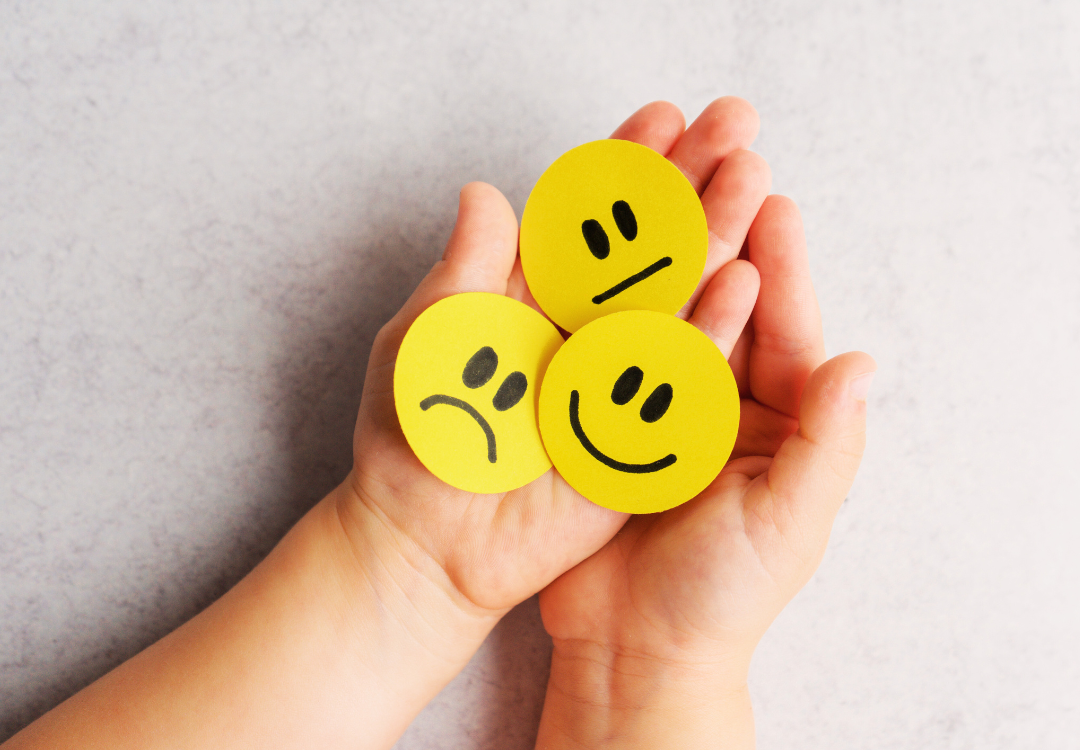
Helping preschoolers recognize and understand their emotions is a crucial part of their development. Young children experience a wide range of big feelings daily, from joy and excitement to frustration and sadness. Learning to identify these different feelings lays the groundwork for emotional intelligence and social-emotional learning (SEL), which are critical skills throughout life. Incorporating tools like emotion worksheets, printable pages, and an emotions chart, not only supports emotional growth for preschool children but also make this process engaging and fun.
When it comes to teaching emotions, there’s no one-size-fits-all method. But by blending emotional learning with fine motor activities, you can support emotional growth for preschool children in both educational and enjoyable ways. Whether it’s rolling play dough to create a scared face or using a paper plate to build a happy or sad expression, there are a variety of hands-on emotions activities that keep kids engaged while helping them develop emotional intelligence.
To further support your students’ development, check out my blog on age appropriate fine motor skills for preschoolers, which outlines the key skills for each age and provides developmentally appropriate activities.
Why Teach Preschoolers About Emotions?
Preschool is a time of rapid emotional growth. During this stage, children are learning to identify and name their feelings, as well as to understand the emotions of others. Developing these important social-emotional skills helps young students build emotional awareness and begin practicing self-regulation—two crucial components of mental health and emotional development. Introducing activities that support emotional growth for preschool children early on can make a lasting impact.
By introducing tools like printable emotions worksheets and other interactive activities, you can help children:
- Recognize their own feelings and those of others.
- Understand how different emotions look and feel in various situations.
- Build empathy for their peers, which is foundational to creating a compassionate classroom or home environment.
- Improve social interactions and learn to express themselves clearly.
Teaching children to recognize and express their emotions at a young age can help them feel more confident, secure, and connected to the people around them.
This process also creates a solid foundation for emotional growth as they progress through life and school, and is especially beneficial for students in special education, who may require more visual and structured supports. Additionally, social-emotional learning plays a crucial role in early intervention, offering the extra guidance some children need to develop these essential skills.
Hands-On Fun with Emotions Task Cards
One of my favorite ways to teach emotions is with Emotions Task Cards. These are not your typical emotion worksheets—they’re an interactive tool designed to give children hands-on practice. Each task card features a blank face with a written emotion at the bottom, and children use play dough or other materials to create facial features that match the emotion described. For instance, a scared face could be made with wide eyes and a frown, while a happy face might have a broad smile and bright eyes.
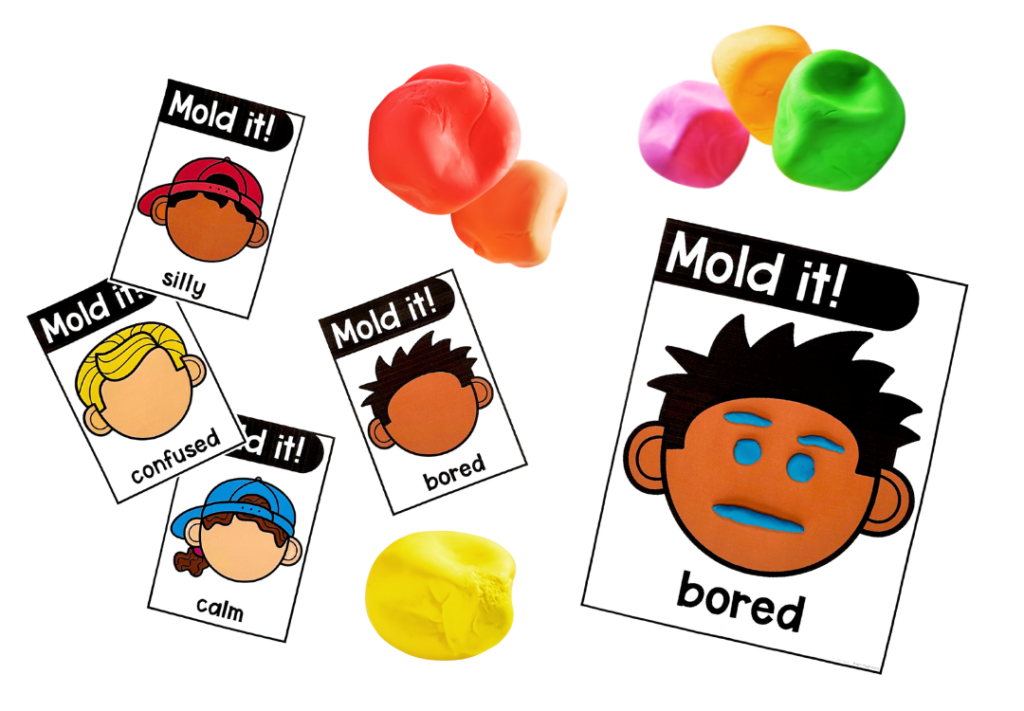
Here’s why these task cards are such a great tool for teaching emotions:
- Hands-On Engagement: Kids get to actively engage in the process of creating faces and feelings. This makes it a memorable, fun way to practice critical thinking as they decide which features represent which emotion.
- Fine Motor Practice: The rolling, pinching, and molding of play dough helps strengthen small hand muscles, which is key for young learners.
- Connection to Emotions: When kids form the facial expressions themselves, they make a deeper connection to the emotions behind them, helping them understand both the visual and emotional aspects of each feeling.
These emotions activities are not only engaging, but they also help children process and understand their own emotional states in a tactile, fun way.
Creative Ways Support Emotional Growth
There are so many ways to teach emotions and build social-emotional skills, all while using hands-on activities. Here are some ideas to integrate into your daily routine:
- Morning Check-Ins: Ask kids to create a face out of play dough or other materials that represents how they’re feeling that day. It’s a simple, effective way to check in with their emotions and set the tone for the day.
- Emotions Center: Create a designated area in the classroom or at home with emotion cards, an emotions chart, and some play dough. Let children explore at their own pace, creating faces that match the cards. This independent play fosters both self-regulation and understanding of emotions words.
- Story Time Tie-Ins: After reading a story, ask children to create a face that represents how the main character might be feeling. This activity encourages critical thinking and helps build comprehension skills while reinforcing emotional awareness.
- Printable Worksheets at Home: Send home printable pages of feelings worksheets that families can use to continue building social-emotional skills outside the classroom. These can include a variety of activities, from drawing to matching emotions with pictures, helping children understand both their own emotions and those of others.
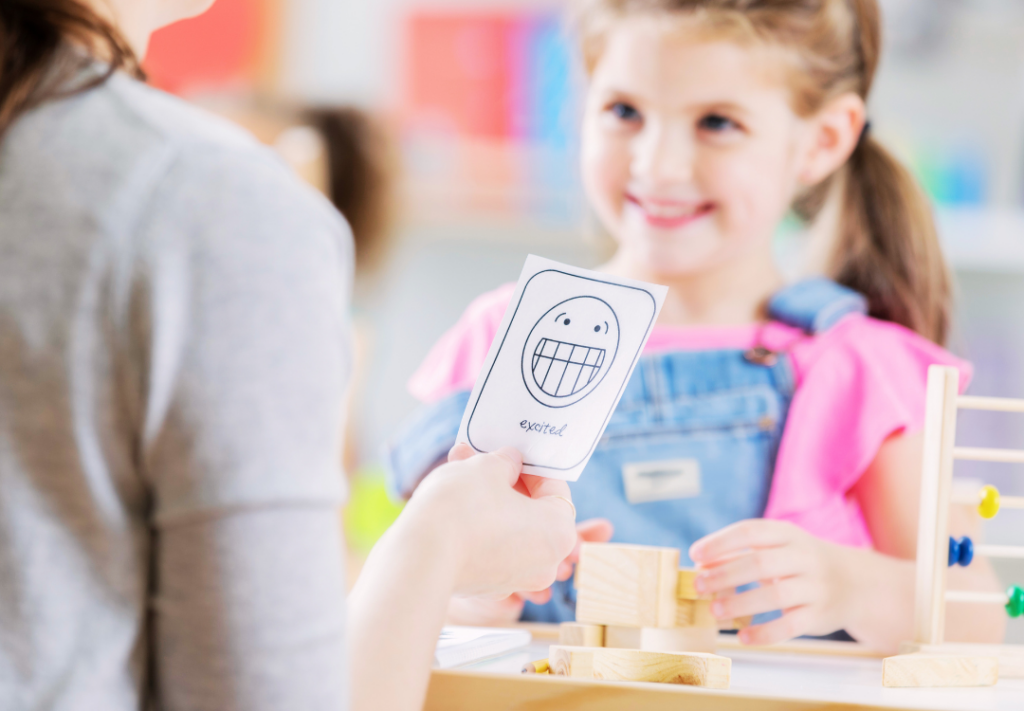
Additionally, you can incorporate these tools into thematic units. For example, during a unit about families, talk about the various emotions we feel when we spend time with family members. This helps children connect their emotions words to real-life experiences, enriching their emotional vocabulary.
Blending Emotions and Fine Motor Activities
Pairing emotions education with fine motor skills development is not only fun, but it also provides a more holistic approach to learning. When children roll play dough to create an angry face or happy face, they’re working on both their emotional intelligence and their fine motor development, which benefits other areas of learning as well.
This type of learning helps children practice emotional regulation in an interactive and creative way. Whether it’s completing an emotions worksheet or molding an expression from play dough, each activity encourages children to think critically about positive choices and emotional development. These activities also help children manage their own big feelings and develop the emotional resilience they will carry into later grades.
By combining hands-on learning with social-emotional strategies, you can create meaningful experiences that promote emotional growth for preschoolers and set the stage for success in life and school.
If you’re looking for additional hands-on activities that encourage fine motor growth, check out my blog about Low-Prep Activities to Boost Fine Motor Skills for even more creative ways to develop those essential skills.
Why These Activities Stand Out
What makes these activities so effective is their combination of emotional learning and tactile engagement. Kids aren’t just reading about emotions or listening to explanations—they’re actively creating them, which makes the lessons far more memorable and meaningful. Whether they’re completing worksheets, using a good choice chart, or creating different facial expressions, children are involved in a dynamic, hands-on process that makes learning emotions enjoyable and effective.
These activities are also adaptable and can be used across age groups:
- The youngest child in preschool or kindergarten can benefit from simple tasks like creating a scared face with play dough or dot markers.
- First grade students might enjoy deeper discussions about negative emotions and learning how to manage them in different social situations.
No matter the age or learning level, these emotions activities are a great tool for teaching emotional awareness in an engaging, interactive way.
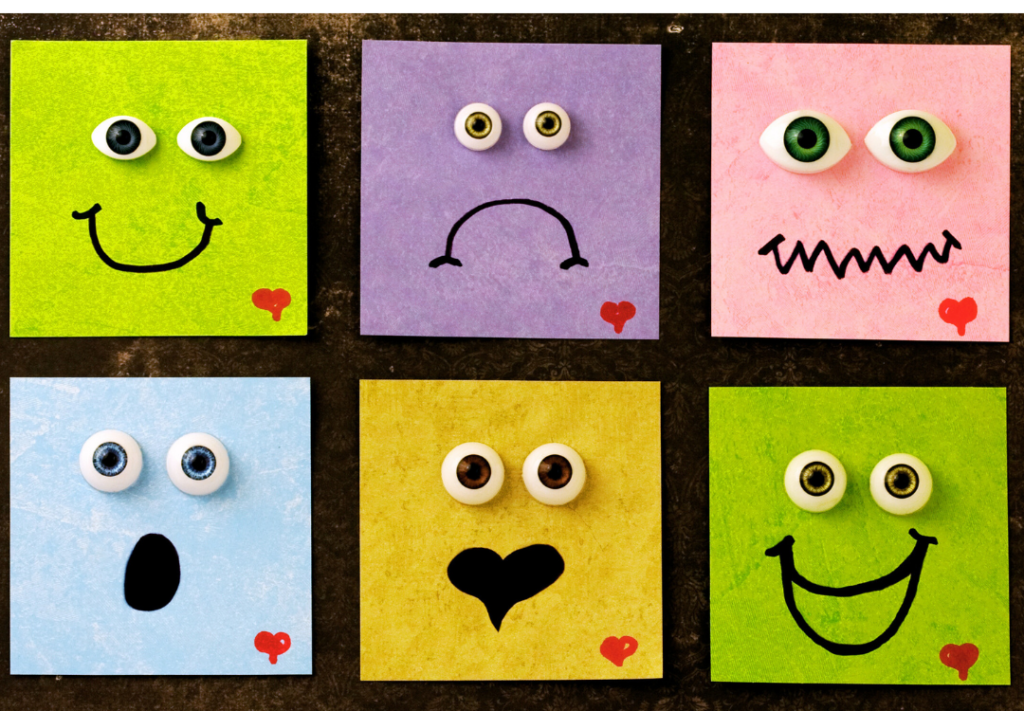
Teaching preschoolers to recognize and understand their emotions doesn’t have to be complicated. With activities like these Emotions Task Cards, you can make emotional learning a creative, hands-on experience. These tools are perfect for building fine motor strength while helping children understand their own feelings and practice self-regulation.
Here’s the Gist
Teaching emotions through interactive tools like worksheets, task cards, and hands-on activities is an effective way to help preschoolers and kindergarten students recognize and express their feelings. By combining emotional learning with fine motor activities, kids not only expand their emotional vocabulary but also develop key social-emotional skills. Tools such as a feelings thermometer and emotions chart allow children to connect with their emotional states and express themselves in a fun, engaging way.
These Emotions Task Cards are a great tool to help kids express their emotions in a hands-on, interactive way. Perfect for teachers, parents, and therapists, these task cards are the ideal resource for emotional learning.
Whether your students are working with self-regulation cards, completing a social-emotional learning worksheet, or molding faces with play dough, these activities are a great way to foster confidence and self-awareness. This method makes learning about emotions both enjoyable and impactful, making it ideal for teachers, parents, and therapists seeking hands-on activities that promote emotional growth.
