

Looking for low prep fine motor activities to engage your young students? These simple and effective exercises are perfect for boosting fine motor skills development in the classroom with minimal setup.
Whether you’re working on hand-strength, hand-eye coordination, or problem-solving skills, these fun fine motor activities will support your students’ fine motor skill development while keeping the learning fun and manageable.
And if you’re looking for even more ready-to-use ideas, my fine motor task cards are here to help!
What is Fine Motor?
Fine motor skills are crucial for building strong fine motor skills in your students’ little fingers, helping them master important milestones like letter formation, cutting with scissors, and buttoning their coats.
These skills are key for everyday tasks, laying the foundation for success in both academic skills and life skills! But let’s face it—finding time for fine motor work in a jam-packed school day can feel like mission impossible.
Don’t worry, though! I’ve got you covered with a list of 10 simple activities that are perfect for your classroom so you can help your students strengthen those fine motor muscles while keeping things easy and fun!
1. Play-Dough Fun
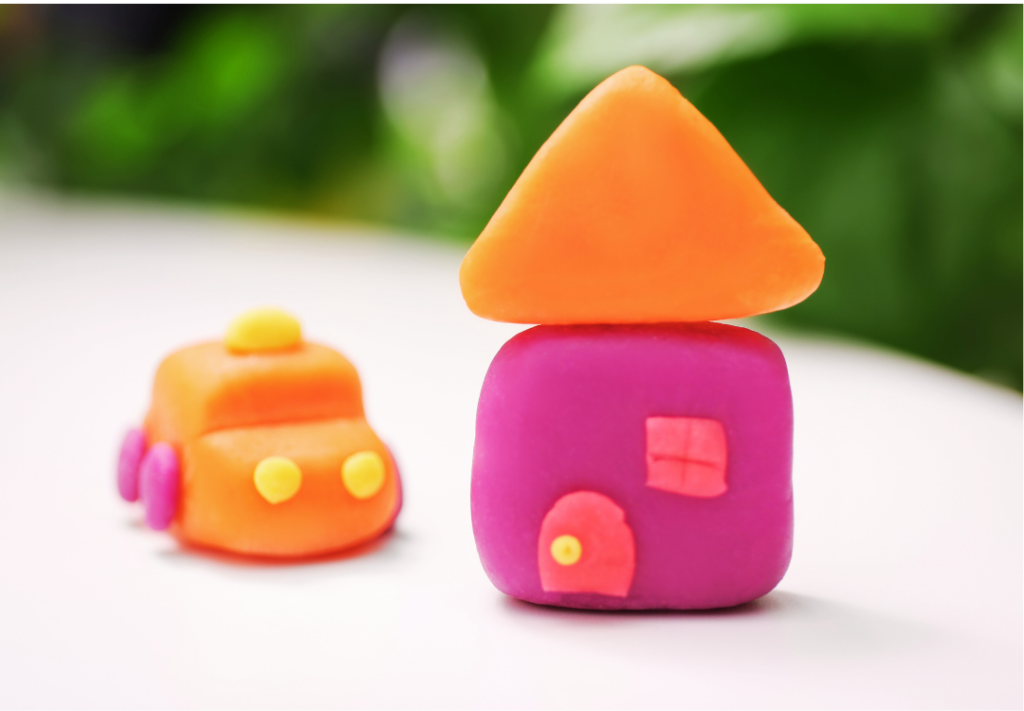
Play dough is a classic for a reason! Rolling, squishing, and shaping play dough helps build hand strength and improve the coordination of small muscles. Encourage your kids to make shapes, letters, or even little sculptures to practice muscle control. You can even add in small objects like mini erasers or rubber bands to add variety and make it even more fun!
2. Threading Beads
Threading small beads onto string or pipe cleaners is a great activity for developing hand-eye coordination and fine motor skills. Start with larger beads for young children and gradually move to smaller beads as students become more confident. This activity also improves the pincer grasp, which is crucial for tasks like holding a pencil or using scissors.
3. Pattern Blocks
Pattern blocks are a fantastic tool for enhancing both creativity and fine motor precision. Have students arrange the blocks into various shapes, patterns, or even pictures. This not only works on fine motor control but also develops visual perception and problem-solving skills.

4. Snap Cubes
Snap cubes are a fantastic, fun way to build fine motor skills. Students can connect the cubes to create towers, animals, or whatever their imagination comes up with. The act of snapping them together and pulling them apart strengthens small muscles of the hand and improves bilateral coordination, as students use both hands to manipulate the cubes.
5. Lacing Cards
Lacing cards are great for building strong fine motor skills and hand stability. Whether it’s lacing through pre-punched cards or threading shoelaces, this activity encourages pincer grip and hand-eye coordination. It’s a great way to help students develop fine motor muscles while also having fun!

6. Pom-Pom Sorting
Using a pair of tweezers or tongs to sort colorful pom poms into different containers is a fun fine motor activity that works on the pincer grasp and hand-eye coordination. Students can sort by color or size to practice classification and problem-solving.
7. Popsicle Stick Placement
Popsicle sticks are simple but effective tools for fine motor development. Challenge students to place sticks into a container with slots, like a jar or box with holes. This activity is a great way to develop small muscles of the hand while fostering creativity. You can also encourage them to arrange the sticks in patterns or designs for added complexity.

Tip: If you want an easy, no-prep way to turn popsicle stick placement into a structured learning activity, check out my fine motor task cards! They’re ready to use and perfect for busy classrooms.
8. Tracing
Tracing shapes, letters, or lines is an easy yet powerful way to practice fine motor movements. It helps students work on hand control and prepares them for writing lowercase letters and numbers. Incorporate sensory bins or play dough mats to add extra fun!
9. Mazes
Mazes are a fun challenge that improve fine motor skills and problem-solving skills. Have students use a pencil or marker to navigate through the maze, helping them practice control and precision. Mazes can be simple, like straight lines, or more complex, depending on your students’ skill level.
Want to make it easier on yourself? My fine motor task cards include printable pathways that are perfect for building hand control—and they’re ready to go whenever you need them!
10. Drawing and Coloring
Drawing and coloring are wonderful for developing fine motor strength and improving hand control. Offer colored pencils, markers, or crayons to help students express their creativity. These activities also foster visual perception and coordination of small muscles as they work on coloring within the lines or creating their own designs.

Here’s the Gist
Including these simple daily tasks in your classroom routine provides engaging opportunities to strengthen essential fine motor skills in your students. These activities help improve everything from letter formation to sensory skills, supporting academic success and life skills.
Want ideas for an easy way to implement these activities in your classroom? Check out my blog on fine motor morning work stations!
And when you’re ready to make fine motor practice even simpler, my fine motor task cards are packed with creative, hands-on activities that your students will love.
Try out these ideas, and let’s help those tiny hands grow stronger every day!
