
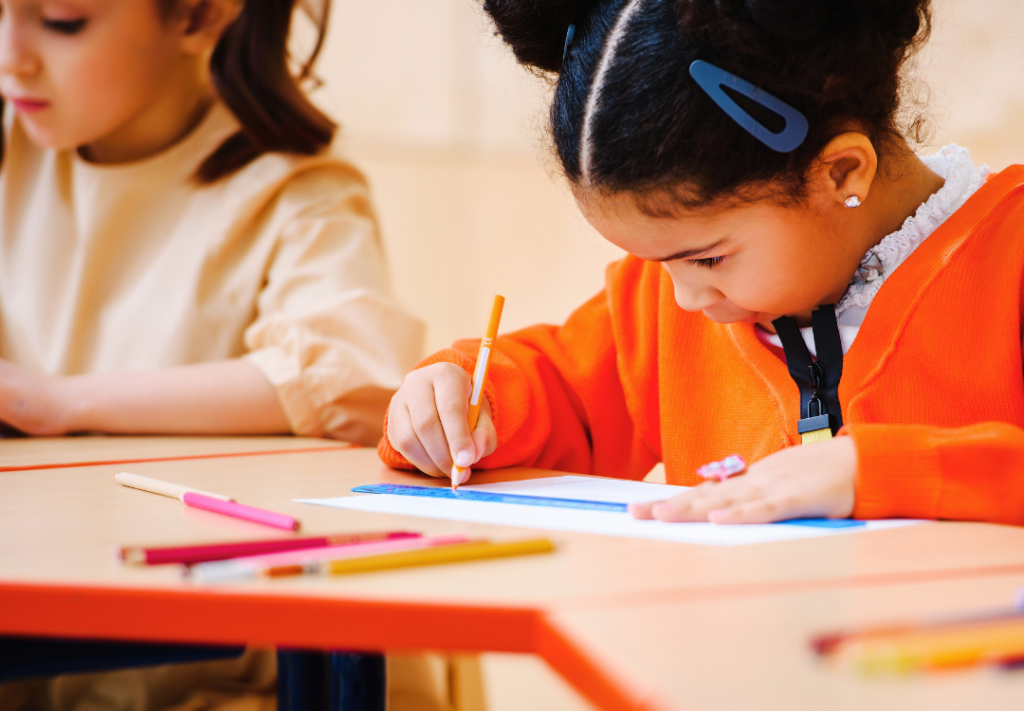
Writing is such an exciting milestone for young children! It’s more than just putting words on paper, it’s how they express their thoughts, share ideas, and create something uniquely theirs.
Helping kids take their first steps in writing is such a joy to witness. But the process begins long before students begin forming letters on paper. It all starts with developing fine motor skills, hand-eye coordination, and building the hand strength they need to correctly hold a pencil.
What Is Pre-Writing and Why Is It So Important?
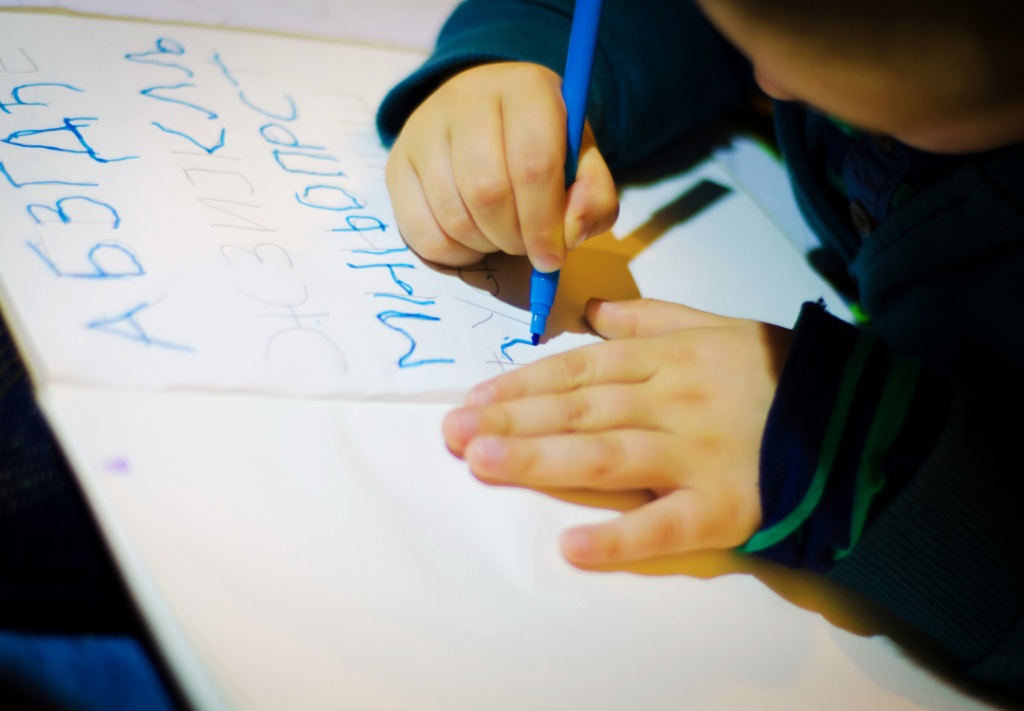
Prewriting is the essential first step in the writing process. Before children can start writing letters or sentences, they need to build the foundational skills that will help them later on.
It’s all about strengthening hand muscles, improving hand-eye coordination, and mastering the basic motor movements needed to write. Think of it like the building blocks leading up to writing. Without them, writing would be almost impossible.
Prewriting activities are an excellent way to help children develop these skills. Fun, hands-on activities like playing with play dough, shaving cream, or even drawing on a flat surface help kids build fine motor skills. This is when kids naturally begin to explore drawing simple shapes, lines, and the basics of letter formation.
These early experiences lay the groundwork for confident, capable writers.
The Stages of Writing Development
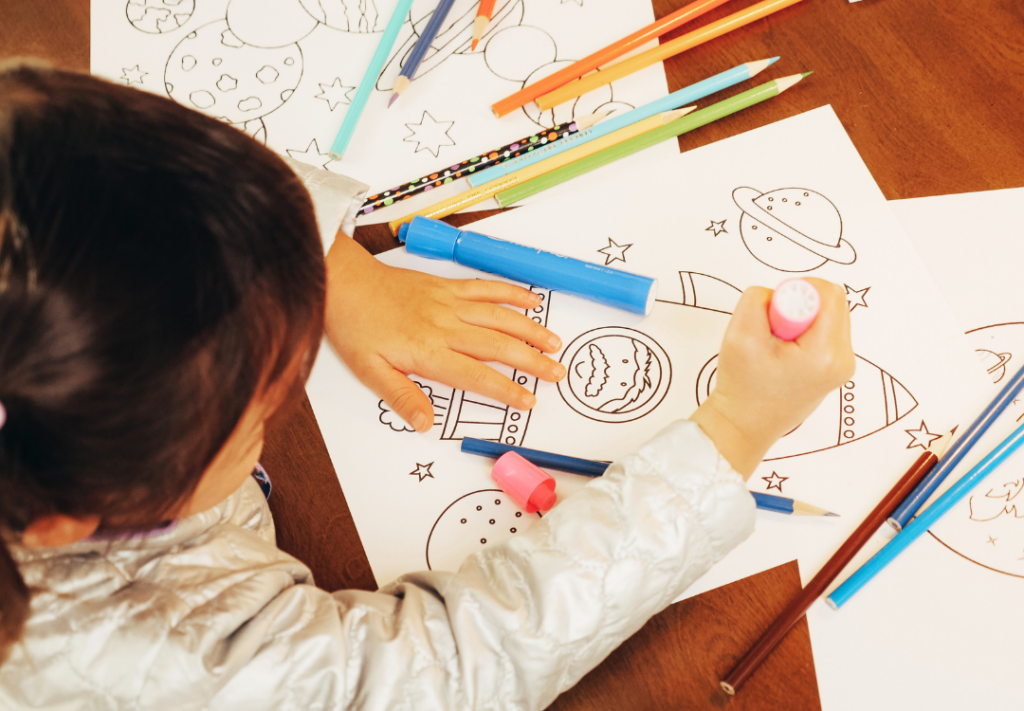
Every young child goes through several stages of writing. Understanding these stages can help you know what to expect and how to best support them along the way.
Scribbling
Scribbling is where it all begins. Younger children will hold a crayon or marker in a fist grip and experiment with making marks.
It’s not about writing anything recognizable, it’s about the child practicing control over their pencil grip. Giving them thick crayons or markers and a piece of paper is a great way to get started.
Basic Shapes and Lines
As children grow, they start recognizing that the marks they make can represent shapes and symbols. They might begin to draw various lines like horizontal lines, vertical lines, and even diagonal lines. This could lead them into drawing basic shapes like circles and squares.
Their pencil grasp is improving, but it’s still not perfect. This stage is a great opportunity to introduce fun, low-prep activities like drawing on card stock or tracing through simple mazes.
Letter Formation
Next, scribbles and shapes start to look more like letters. Children begin associating their marks with specific symbols and sounds, moving toward letter formation. They might start by drawing lines and then turn those into letters.
This is when simple pre-writing activities, like tracing lines or drawing on a salt tray, can really help! The more children practice drawing letters, the easier it will be when they begin to write on their own.
Letters and Spaces
As kids start understanding how letters form words, spacing becomes important. This is when you might see children start to use their index fingers to help them space out their words.
Activities that involve placing letter cards in a row, or using different colored markers to separate words, can make this stage more engaging.
Spelling and Complete Sentences
At this point, children have gained better control of their pencil grip, motor control, and spatial awareness. They start writing for different purposes, like story telling or making lists. They’re beginning to write complete sentences, and they’re more comfortable using their pencil to form letters and words.
Creative writing prompts and lined paper are great tools to keep their writing practice exciting.
Activities to Prepare Kids for Writing
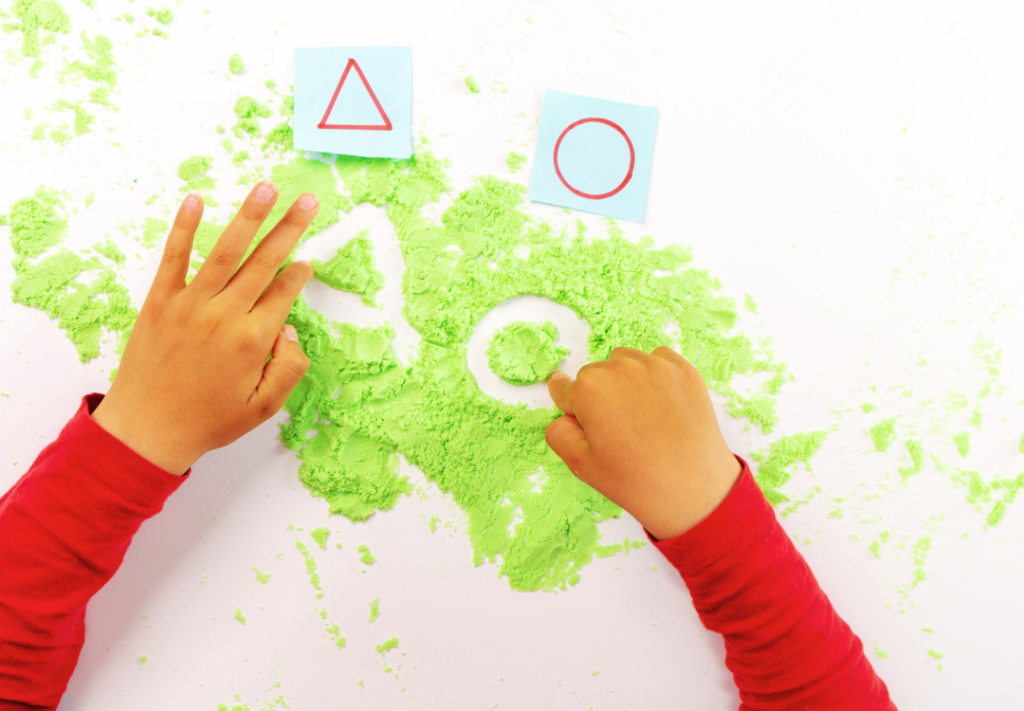
Let’s back up, though. Before children even pick up a pencil to start writing, it’s important to first build strength in their hand muscles and improve coordination. Strengthening the muscles in a child’s hand is one of the most important parts of prewriting.
While it may not seem like much, activities like squeezing squishy bags or sorting small objects like pipe cleaners and pom poms can be incredibly effective for building hand strength. These activities not only target hand muscles but also improve cognitive skills like visual perception and help kids develop the fine motor control needed to form letters correctly.
The great news is that there are tons of fun, creative ways to do this! Let’s dive into some easy activities that can help little ones strengthen their hands and get ready for writing.
- Pom Pom Sorting: This activity uses small objects like pom poms and tweezers or tongs to build the pincer grip, which is so important for holding a pencil. This is an excellent way to work on fine motor skills before kids even think about writing.
- Shaving Cream Writing: This fun, messy activity involves spreading shaving cream on a flat surface, like a table, and then letting kids practice writing or drawing shapes with their index fingers. You can even add a bit of food coloring to make it extra fun. It’s a great way to practice horizontal lines, vertical lines, and basic shapes without needing any paper.
- Salt Tray Writing: Just like shaving cream, a salt tray is another excellent tool for practicing letters and shapes. Simply fill a tray with salt and let kids use their index fingers to draw letters or shapes in the salt. It’s a tactile, hands-on activity that really helps strengthen their hand muscles and develop hand-eye coordination.
- Cotton Swab Dot Painting: Cotton swabs and paint can be used to make dots that form letters, numbers, or shapes. Kids can create simple shapes or even start practicing letter formation using different colors of paint. It’s a fun way to engage their senses and fine motor movements while they practice drawing letters and basic shapes.
- Play Dough: Play dough is one of the best tools for strengthening hand muscles. Rolling, pinching, and shaping play dough can help kids build the fine motor control they’ll need to grip a pencil properly. You can encourage kids to form letters, shapes, or even their names with play dough!
- Tissue Paper Shapes: Cutting and gluing tissue paper onto a piece of paper can help children practice fine motor skills and hand-eye coordination. Squeezing the glue bottle and cutting with scissors are two great ways to build hand strength.
Prewriting activities don’t need a pencil or paper to be effective. Focusing on building basic skills first helps children develop important hand muscles that are necessary for writing letters, words, and sentences.
If you’re looking for more easy fine motor activities to help your students strengthen their hand muscles, check out my blog 10 Easy, Low-Prep Activities to Boost Fine Motor Skills .
When Kids are Ready to Write
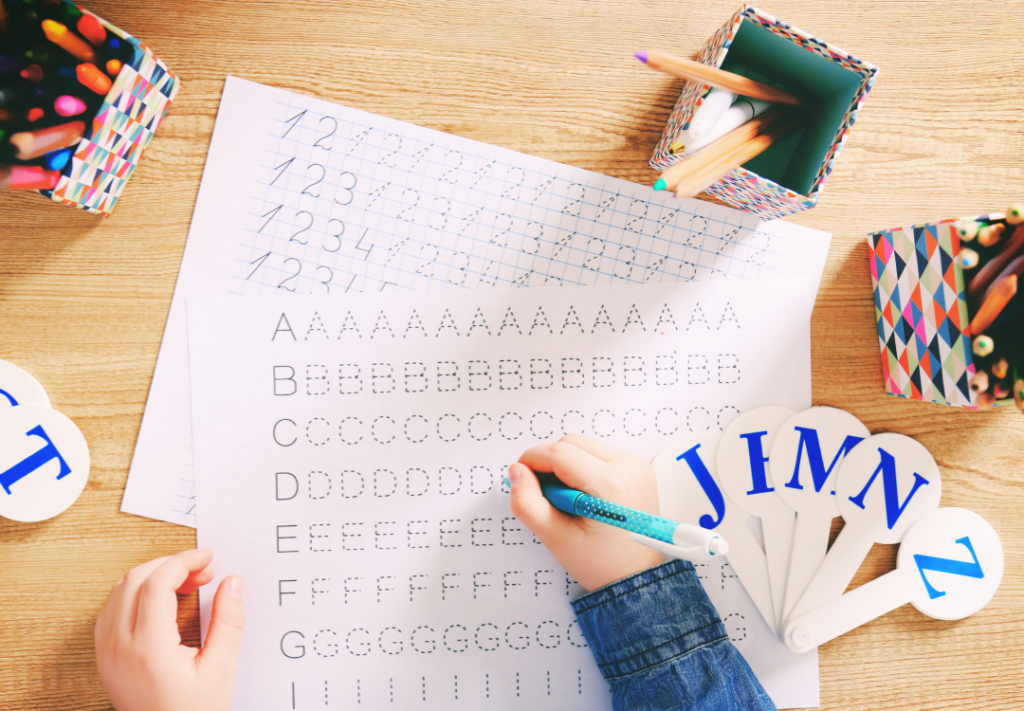
Once children build up their hand muscles, tracing letters, lines, and prewriting strokes is a key step in developing writing skills. These activities help kids learn how to form shapes and letters, improving pencil grip, hand-eye coordination, and directionality.
By practicing these strokes, children build muscle memory, gain confidence, and develop correct letter formation, setting them up for writing words and sentences. Prewriting printables that guide them through each step offer great structure and support along the way.
If you’re looking for prewriting printables that are ready to go and help build upon these skills, check out my Prewriting Bundle! It’s designed to guide kids through each stage of prewriting with easy-to-use activities.
Here’s the Gist
Prewriting is such an important first step in a child’s writing journey! It all starts with strengthening fine motor skills, hand-eye coordination, and hand strength. These are the building blocks for forming letters, words, and eventually sentences.
There are so many fun, creative ways to help kids prepare for writing, from play dough to shaving cream to sensory bags. Prewriting activities lay the foundation for great writing, helping children become more confident and capable.
If your students are ready to begin writing, my Prewriting Bundle has everything you need. It’s packed with fun activities that support writing development and make the process of learning to write both enjoyable and effective!
Whatever writing stage your students are at, be sure to embrace their learning journey and have fun!
