

What Are Fine Motor Skills?
Fine motor development is a crucial aspect of child development in the early years. These skills involve the coordination of small muscles in the hands, fingers, and wrists, enabling tasks like holding a pencil, buttoning a coat, and tying shoe laces. These small muscle movements lay the foundation for independence and academic success.
While these might seem like simple tasks to adults, for young babies and preschool-age children, they are significant developmental milestones. Understanding the development of fine motor skills can help school teachers and occupational therapists create a supportive learning environment.
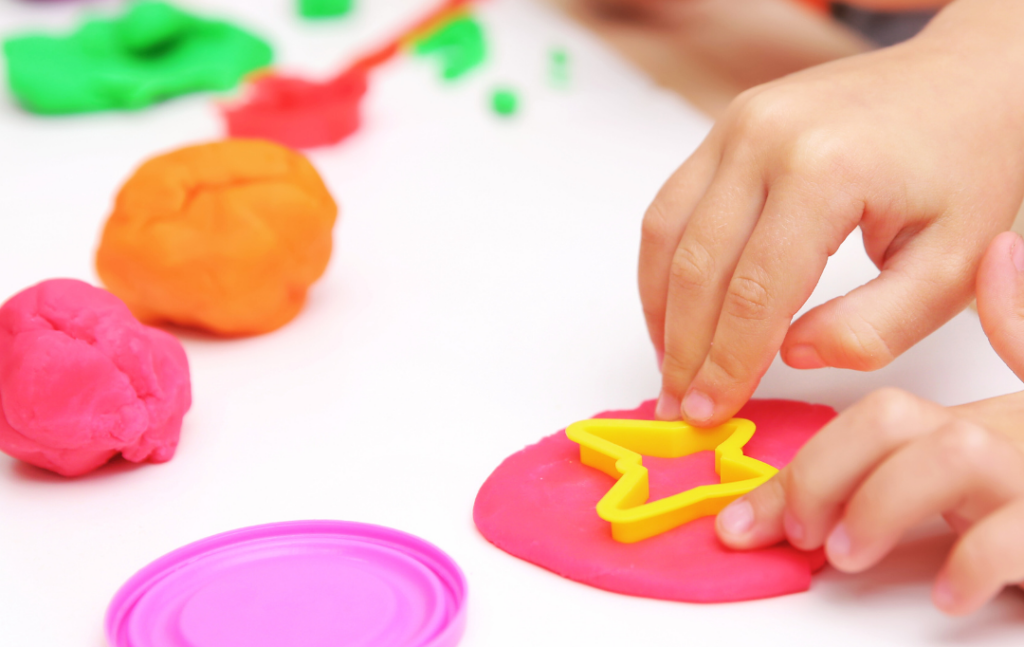
Why Are Fine Motor Skills Important?
Fine motor skills are a big part of a child’s everyday life. They help kids do things like turn the pages of a book, feed themselves, and get dressed on their own. These same skills are also essential for school activities like writing, drawing, and using scissors.
But there’s more to fine motor skills than just these tasks. Developing them also supports other areas of growth, like thinking and problem-solving (cognitive development), learning to communicate (language development), and building physical abilities. In the preschool years, focusing on these skills lays a solid foundation for success. For older kids, strong fine motor control is key to handling precise activities like playing musical instruments, writing neatly, building with small blocks, and even using a computer mouse.
When kids find these tasks difficult, it can impact their confidence and how much they participate in class. That’s why it’s so important to nurture fine motor development early on, giving children the tools they need to succeed.
If you’re looking for easy and effective ways to incorporate fine motor activities into your classroom, check out my blog on 10 Low-Prep Activities to Boost Fine Motor Skills.
Fine Motor Learning Targets for Different Age Groups
Fine motor milestones develop at different rates for each child, so it’s important to meet them where they are. Setting realistic, age-appropriate expectations and offering activities that are both engaging and manageable can help children grow these skills effectively. Here’s an overview of what to expect at different stages:
Fine Motor Development for Infants (0-12 months)
At this stage, babies are just beginning to explore the world with their hands. You’ll notice them grasping toys, shaking rattles, and reaching out to touch objects. These early movements are the foundation for developing fine motor skills.

Learning Targets for Infants:
- Grasping and holding onto objects (like rattles or soft toys)
- Passing objects from one hand to the other
- Starting to use the pincer grasp (using thumb and forefinger to pick up small objects)
Activities to Try With Infants:
- Offer a variety of textures and shapes for them to explore with their hands
- Encourage reaching and grasping with toys just out of their reach
- Play simple games like “pat-a-cake” to develop hand movements
Fine Motor Development for Toddlers (1-3 years)
Toddlers are on the move, and so are their hands! At this stage, they’re learning to feed themselves, build towers with blocks, and start using simple tools like spoons and crayons. Their fine motor skills are rapidly improving, and they’re eager to try new things.
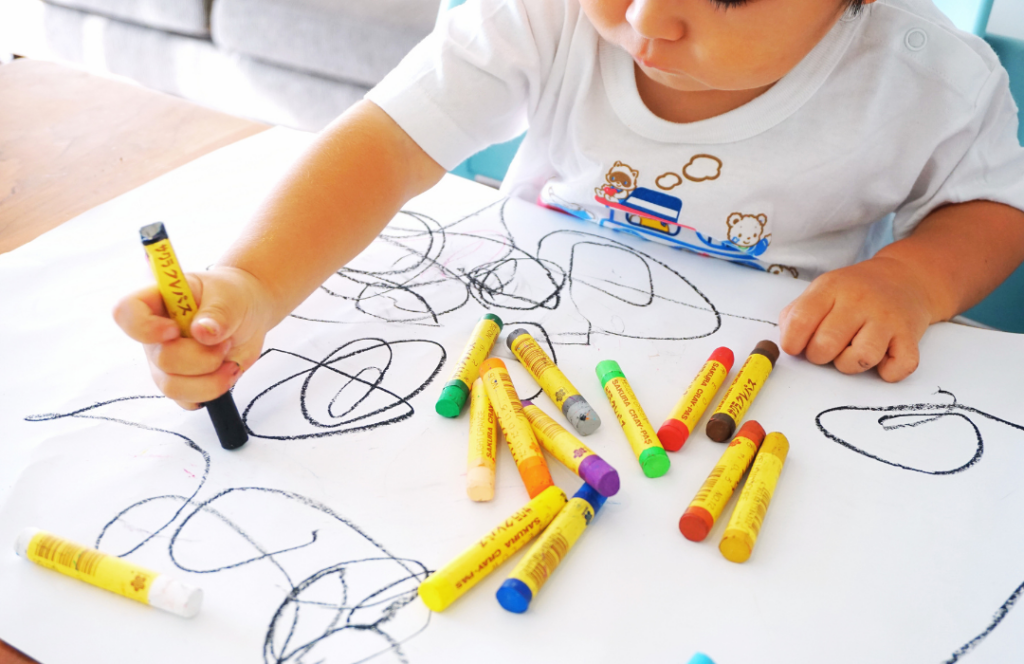
Learning Targets for Toddlers:
- Stacking small items like blocks or rings
- Beginning to use utensils during meals
- Scribbling with crayons or markers
- Turning pages of a book
Activities to Try With Toddlers:
- Provide chunky crayons for scribbling and drawing simple shapes
- Offer blocks for stacking and knocking down
- Introduce simple puzzles with large pieces
- Encourage self-feeding with child-sized utensils
Fine Motor Development for Preschoolers (3-5 years)
Preschoolers are refining their fine motor skills and gaining more control over their hands and fingers. They’re ready to tackle more complex tasks like cutting with scissors, stringing beads, and beginning to form letters and shapes.

Learning Targets for Preschoolers:
- Cutting along a straight line with scissors
- Stringing beads onto a string or pipe cleaner
- Drawing recognizable shapes and some letters
- Buttoning large buttons and zipping zippers
Activities to Try With Preschoolers:
- Provide child-safe scissors and paper for cutting practice
- Offer beads and strings for threading
- Encourage drawing and coloring within the lines
- Practice buttoning, zipping, and snapping clothing
This is the perfect age group for my Fine Motor Task Cards and Activity Mats! These educational activities encourage physical play, while helping preschoolers refine their hand strength, grasp, and bilateral coordination.
Fine Motor Development for Early Elementary (5-7 years)
By the time children reach early elementary school, their fine motor skills are becoming more refined. They’re ready for more detailed tasks, such as writing letters and numbers, using smaller tools like pencils and rulers, and creating more complex art projects.

Learning Targets for Early Elementary:
- Writing letters, numbers, and simple words
- Using scissors to cut out shapes
- Creating more detailed drawings and artwork
- Tying shoe laces and fastening small buttons
Activities to Try With Early Elementary:
- Provide lined paper for writing practice
- Offer opportunities for cutting out shapes and making collages
- Encourage independent dressing, including tying shoelaces
- Introduce simple crafts that require precision, like origami or model building
Looking for a classroom-ready solution? My Fine Motor Task Cards and Activity Mats are a versatile resource for this age group, perfect for morning tubs, busy bins, or even small-group interventions. They support fine motor growth while keeping students engaged and focused!
Here’s the Gist
Fine motor development is a critical part of early childhood education. By understanding what fine motor skills are and why they’re important, teachers can create targeted activities that help children develop these essential abilities at every stage of their growth.
Remember, the goal is to provide opportunities that are both fun and challenging, helping children build confidence and independence along the way. With the right support and activities, young learners will be well on their way to mastering the fine motor skills they need for success in school and beyond!
Looking for resources to make fine motor practice easy and effective? Check out my Fine Motor Task Cards and Activity Mats to start building these essential skills today!
