

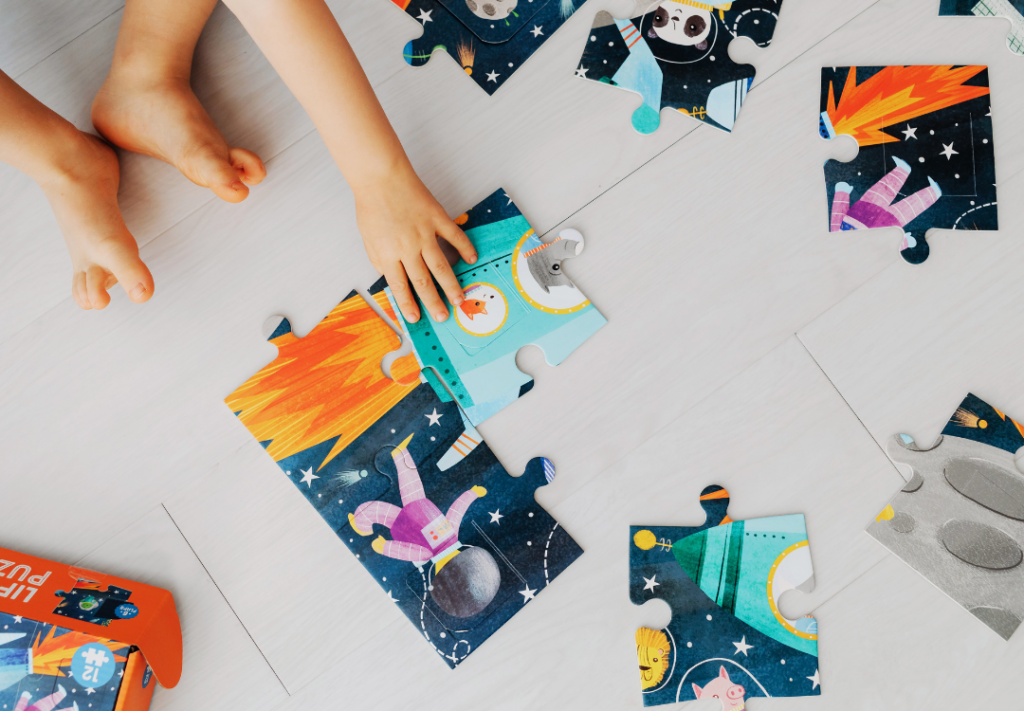
Puzzles are a fantastic way to keep young learners engaged while building skills they’ll use throughout their lives. Jigsaw puzzles, shape puzzles, and printable puzzles for kindergarten go beyond fun. They help boost cognitive abilities, fine motor skills, and even social skills.
Here are a few of the amazing benefits puzzles bring to the classroom!
Cognitive Development & Critical Thinking
Puzzles are an awesome tool for encouraging problem-solving and logic skills in kids of all ages, from kindergarten to 2nd grade. When students work through puzzles, they’re having fun and training their brains!
Solving math problems, completing a crossword puzzle, or tackling a series of tangram-style geometry puzzles helps boost critical thinking.
Plus, puzzles that focus on pattern recognition and number sense, like number puzzles or logic worksheets, are perfect for building strong cognitive skills while keeping kids excited about learning.
Enhancing Fine Motor Skills
Handling puzzle pieces or cutting and pasting printable activities helps young kids develop fine motor skills and hand-eye coordination. These foundational abilities are crucial for everyday tasks like writing and cutting.
For example, a fun block puzzle challenge or shape puzzle activity is a hands-on way to help your students strengthen their grip and coordination, which will benefit them in the classroom and beyond.
Building Vocabulary & Language Skills
If you’re looking for a fun way to help your students grow their vocabulary, puzzles are a great option!
Activities with themes like color words, number words, and sentence structure give your students a chance to practice new words in an interactive, exciting way. Word searches, crossword puzzles, and word puzzles help kids build their language skills while having fun.
Working through puzzles that focus on placing words in the correct order or solving mystery pictures is also a fantastic way to improve their communication skills.
Boosting Confidence & Self-Esteem
There’s something so satisfying about completing a puzzle. Whether it’s a simple cut and paste puzzle or a fun, more complex jigsaw puzzle.
When kids finish one, they feel a sense of accomplishment that builds their confidence. They learn that perseverance pays off, and they’re more likely to take on new challenges with excitement.
As your kindergarten students work through math problems, logic puzzles, or any other activity that challenges them, they build the confidence to take on bigger tasks.
Fostering Social Skills
Puzzles aren’t just great for individual learning, they also help kids develop valuable social skills.
Working together on matching activities or collaborating to complete bigger puzzles fosters communication, cooperation, and teamwork. These activities teach kids how to work together and solve problems as a team.
It’s a wonderful way to build social connections while learning at the same time!
Improving Focus & Concentration
Puzzles also help kids work on their concentration skills. Completing a puzzle requires focus and persistence, which are essential for building a strong attention span.
Puzzle activities like logic worksheets, number puzzles, and word searches require kids to stay focused for longer periods, helping them improve their ability to concentrate.
For your younger kids, puzzles with a variety of topics like shapes, colors, or holiday themes are an engaging way to strengthen their focus in a fun, low-pressure setting.
Types of Puzzles to Try in Your Classroom
The variety of puzzles you can use in the classroom is nearly limitless! Here are some ideas to help keep your students excited and engaged:
- Wooden Puzzles
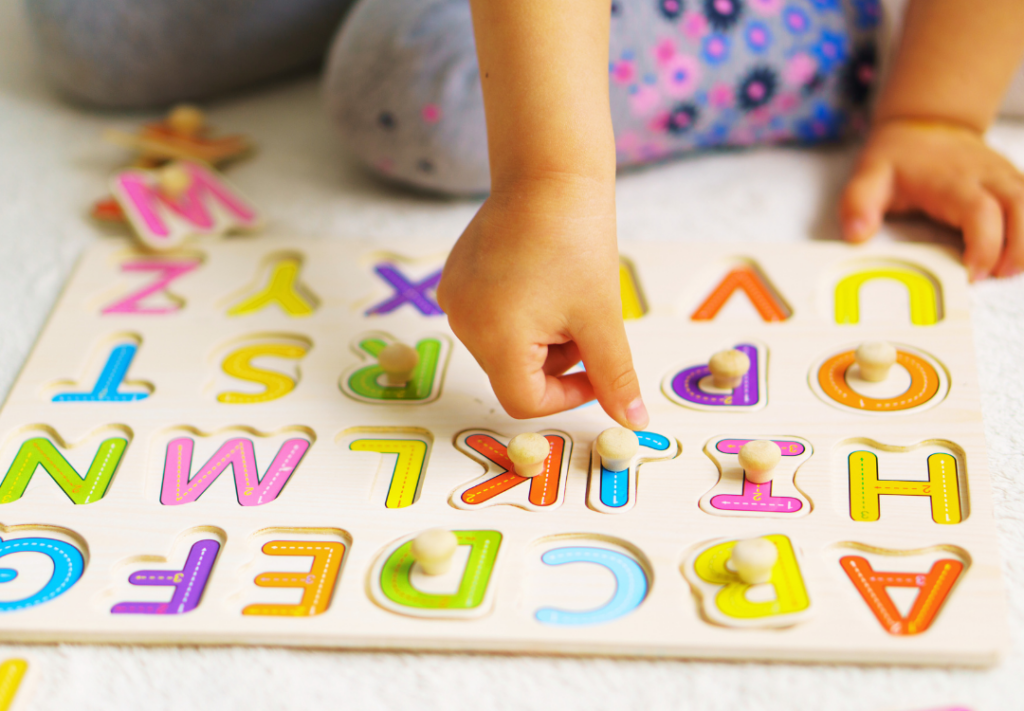
Wooden puzzles are perfect for younger kids developing shape recognition, as well as learning letters and numbers. These puzzles help students self-correct by requiring pieces to fit in the correct spot, fostering problem-solving and spatial awareness.
They’re ideal for students who need extra support with foundational concepts, such as shapes and letter identification, or for those just starting to explore independent learning. - Foam Puzzles
Foam puzzles are perfect for preschoolers and kindergarten students because they’re soft, sturdy, and easy for little hands to manipulate. These puzzles enhance fine motor skills while introducing kids to logical thinking in a playful way.
They’re especially great for students working on grip strength or those who thrive with tactile, hands-on learning experiences. - Oversized Puzzles
Big-piece puzzles usually have 12-20 pieces and are a great way to introduce more advanced puzzles without overwhelming students. Their size makes them easy to manipulate, and the reduced number of pieces helps build confidence.
These puzzles are perfect for students who are transitioning to more complex tasks or those who benefit from collaborative activities in morning tubs, indoor recess, or early finisher time. - Printable Puzzles
Printable puzzles are versatile, low-prep, and packed with benefits! They combine problem-solving with skill-building, like cutting and gluing. They’re ideal for centers, morning work, or extra practice.
These puzzles work well for students improving scissor skills, those who enjoy creative activities, or anyone needing extra fine motor practice.
Click HERE to check out my set of no-prep printable puzzles with a fun food theme! - Tangram Puzzles
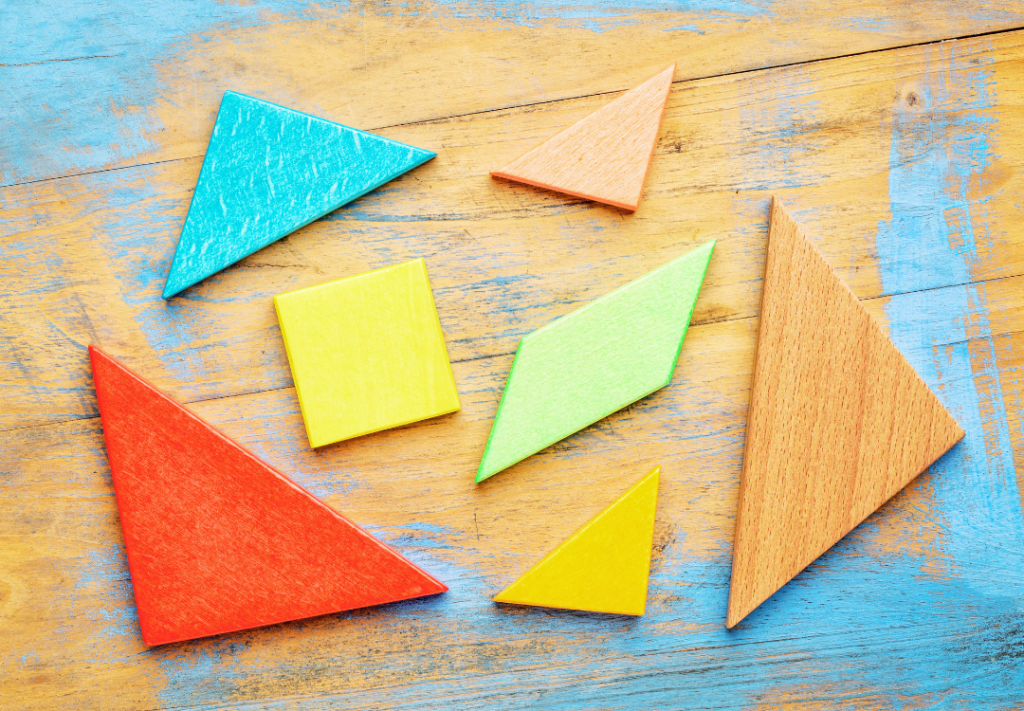
Looking for more of a challenge? Tangram-style puzzles are perfect for older kindergarteners or first graders ready to test their spatial reasoning and logic skills.
These puzzles are great for students who excel in problem-solving or need an engaging activity to build critical thinking and math skills. They’re perfect for math centers or as part of a differentiated learning plan.
Here’s the Gist
Puzzles are so much more than just fun classroom activities. They’re powerful tools that help your students build critical skills like cognitive development, fine motor coordination, language, and social skills.
By offering a variety of puzzles that focus on different topics and skills, you’ll keep your students engaged and excited to learn. Whether you’re using logic puzzles, number puzzles, or word puzzles, the benefits of puzzles are endless!
Want more easy ideas to boost cognitive and fine motor skills in your classroom? Be sure to check out my blog on Free Fine Motor Games and Activities.
You can also sign up for my free resource library, where you’ll have unlimited access to all of my freebies!
