

Why Are Scissor Skills Such a Big Deal?
You might be surprised, but learning to use scissors is a critical part of child development! When children learn to cut with a pair of scissors, they’re not just having fun—they’re building fine motor skills, strengthening small hand muscles, and improving visual perception, which are all essential for various daily activities.
Scissor skills play an important role in preparing children for self-help tasks like opening packages, cutting food, and even tying shoes. This skill development also helps children with everyday activities like using utensils or gripping a spray bottle.
Scissor practice can be incredibly beneficial for students’ hand-eye coordination and bilateral coordination, too. These tasks help kids use both sides of their body together (hello, bilateral integration!), which is a tricky skill to master.
By learning how to control their index finger, middle finger, and thumb, young kids improve their fine motor control and even begin working on finger movements that will serve them in other activities like writing or using a hole punch.
Learning to cut may seem like just a simple task, but it helps young students gain new skills that will set them up for future learning success!
To dive deeper into the importance of fine motor development and how it impacts skills like cutting, check out my blog on Fine Motor Development.
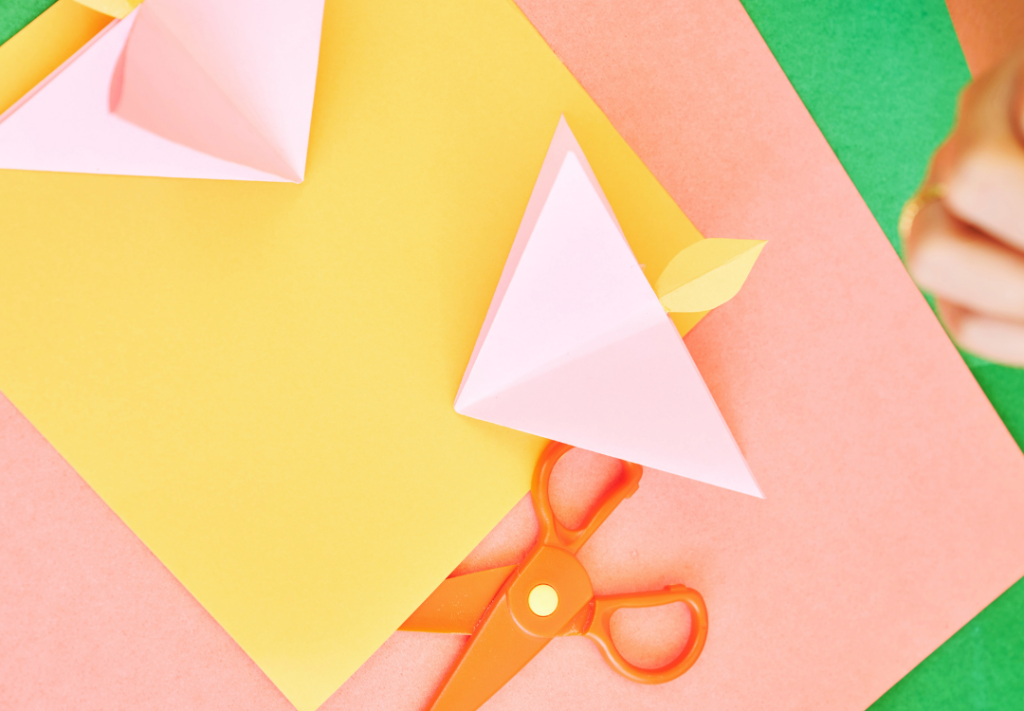
What Scissor Skills Should Kids Have by Kindergarten?
By the time kids are ready for kindergarten, they should have some basic scissor skills under their belt.
This means knowing how to hold scissors properly—whether left-handed or right-handed—with their thumb in the smaller loop, fingers in the larger one, and their other hand guiding the paper. Holding scissors the right way helps develop the right scissor grasp and strengthens those little hands.
At this stage, kids should also be able to cut straight lines with control, snip out simple shapes like squares, circles, and triangles, and make smooth, even cuts instead of choppy ones. These early skills are essential for mastering tasks requiring precision, like drawing or using scissors for school activities.
It seems like a lot, but teaching scissor skills doesn’t have to be complicated—it can even be fun!
Start by letting kids tear tissue paper or a piece of paper. This strengthens their little hands and helps them get the hang of separating materials.
Rolling and cutting play dough with child-safe scissors is another fantastic way to build grip strength and control. Everyday items like paper plates, rubber bands, or even popsicle sticks are perfect for practicing cutting through different materials.
These fine motor activities are a simple way to help kids master their scissors skills and feel proud of their progress.
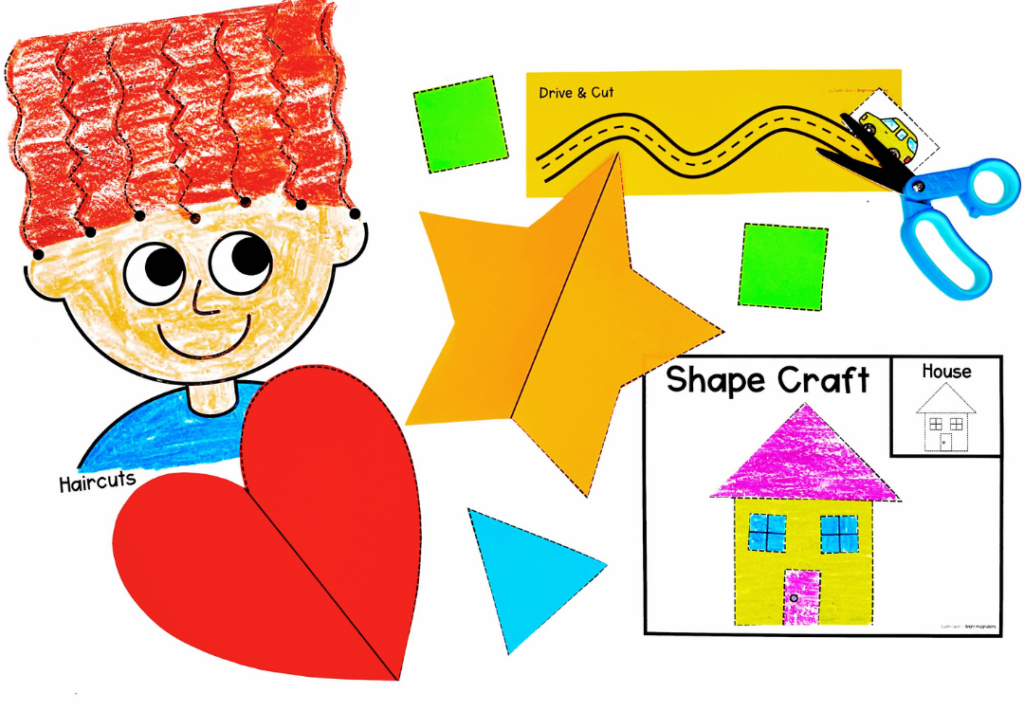
Need activities to help students practice? My Scissor Skills Bundle is packed with fun, ready-to-go resources designed to help kids master these milestones.
How to Introduce Scissors Safely
Safety first! When you’re introducing scissors to little ones, it’s important to start off on the right foot:
- Start with Kid-Friendly Scissors: Grab plastic scissors or other child-safe, blunt-tip scissors. These are designed for little fingers and are way less sharp than adult scissors.
- Teach the Proper Grip: Show them how to hold the scissors correctly, with their thumb in the top loop and fingers in the bottom loop. Then, have them practice opening and closing the scissors slowly and with control to build hand strength.
- Practice Makes Perfect: Let them practice the motion of opening and closing the scissors with a piece of paper or construction paper. This will strengthen their hands and prepare them for cutting small pieces.
- Set Some Ground Rules: Lay down the law early—scissors are for sitting down only, fingers stay away from the blades, and absolutely no running with scissors!
- Keep a Close Eye: Make sure you’re watching closely, especially when they’re first starting out. A little guidance goes a long way in ensuring students complete tasks correctly and safely.
When to Squeeze Cutting Activities Into Your Day
Finding time for scissor practice is easier than you might think!
Morning work is a great opportunity to introduce cutting activities. Simple tasks like snipping zig-zags or straight lines help ease kids into the day while building important scissor skills.
Art time is another wonderful way to incorporate cutting. Whether it’s cutting out different shapes, making collages, or creating paper chains, these creative activities encourage kids to use their scissors in fun and meaningful ways.
For more structured practice, consider setting up a cutting station in the classroom. It’s a great way for kids to work on cutting lines, shapes, or even play dough, all while gaining confidence.
With just a bit of creativity and some everyday materials, you can help your students reach their fine motor milestones. Regular practice not only boosts their scissor skills but also gives them that sense of accomplishment they need to feel confident tackling both classroom tasks and young people life skills.
If you want more fun ideas for incorporating fine motor activities into your day, check out my blog on How to Set Up Fine Motor Work Stations!
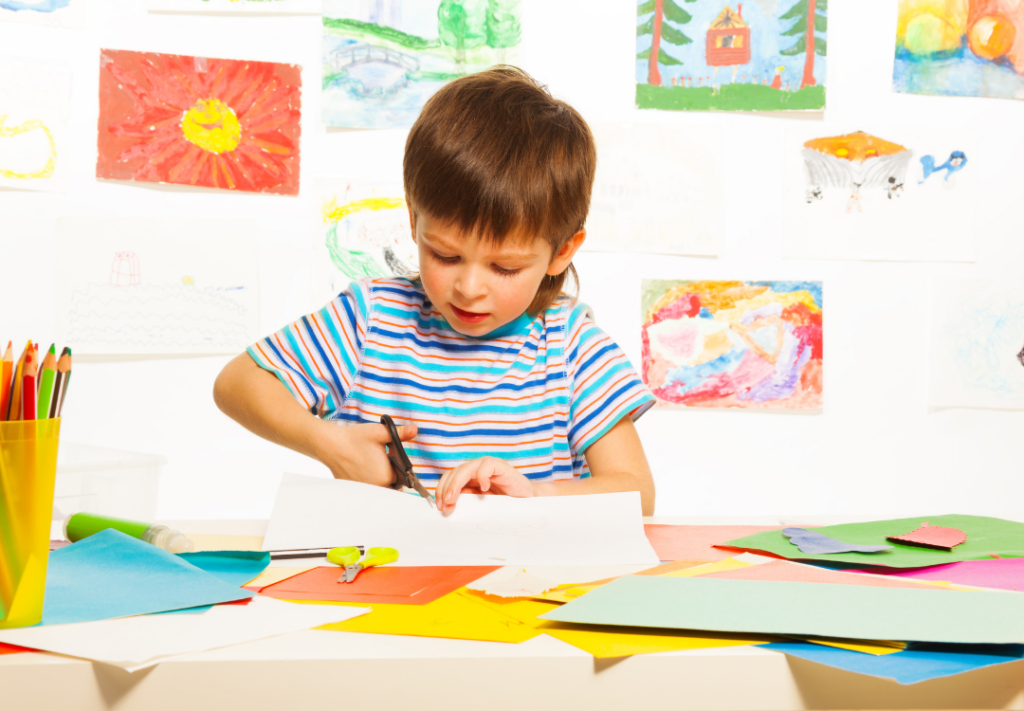
Fun and Easy Cutting Ideas
Making scissor use enjoyable is the key to keeping kids engaged. Here are some creative ways to practice:
- Straight Lines and Simple Shapes: Start with straight lines, then move on to wavy lines and simple shapes like circles and squares. Make it fun by turning the activity it into a game, like rescuing a character or reaching a finish line with their cuts.
- Paper Plate Projects: Give them a paper plate to cut up! They can make masks, suns with rays, or whatever else they can imagine. Cutting circular shapes builds their control and encourages creativity.
- Snipping Straws or Play Dough: Let students practice cutting by snipping straws or cutting play dough into pieces. It’s a fun twist and great way to build scissor skills and strengthen their hands.
- Create Collages: Have them cut out pieces of paper from magazines or colorful paper scraps and glue them into a collage. This is a great scissors control activity.
- Seasonal Crafts: Work on some seasonal crafts that involve cutting, like making paper snowflakes in winter or cutting out flowers in spring. It’s festive and perfect for fine-tuning their skills.
Interested in cutting crafts for every season? Check out my full collection of one-page crafts!
Let’s “Cut” to the Chase…
Mastering cutting skills is a big milestone for young children. With safe introductions, engaging activities, and the right tools, your students will build the fine motor skills they need to thrive in and out of the classroom.
These essential skills will support them in learning to master tasks requiring precision, like drawing, using a hole punch, and even writing.
Want more tips and resources? Visit my blog on Fine Motor Development or check out my Scissor Skills Bundle to get started today!
