

Imagine a space where young writers feel excited to put pencil to paper, explore their creativity, and build confidence in their writing skills. Kindergarten writing centers can make that happen!
Setting up a writing center doesn’t have to be overwhelming. In this post, you’ll find easy ideas for creating your own kindergarten writing center, tips to keep it running seamlessly, and a variety of engaging activities to inspire your students.
If you’re looking for a deeper dive into what writing skills kindergartners develop throughout the year, take a look at my post on A Simplified Guide For Kindergarten Writing Skills. It provides a great overview of what to expect from your young writers!
What is a Writing Center and Why is it Beneficial?
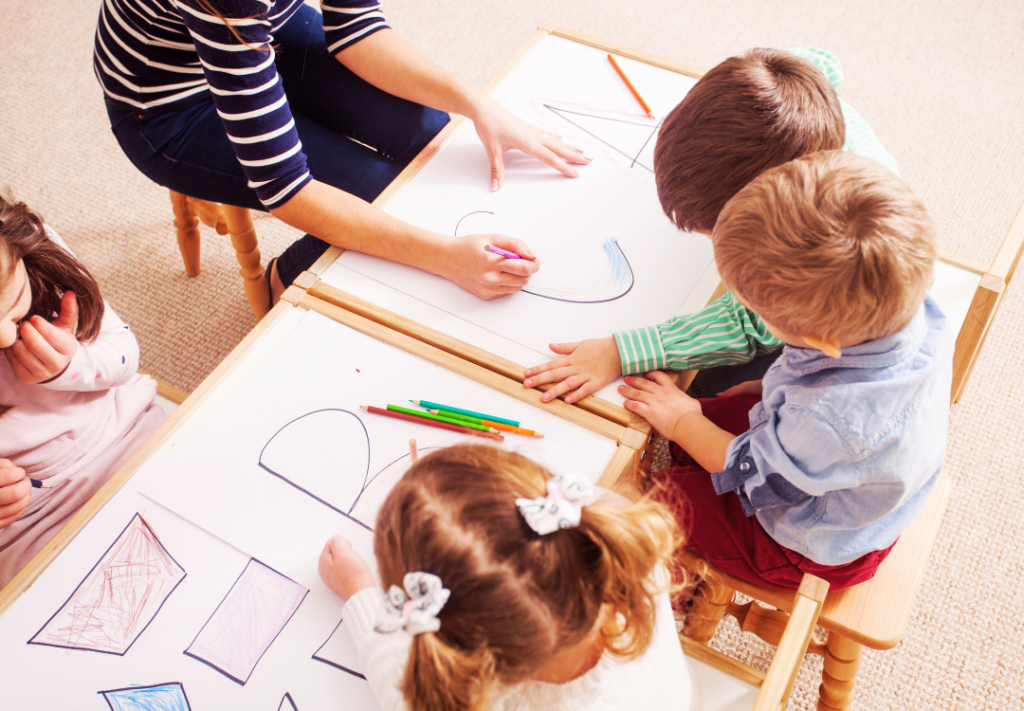
First things first, what exactly is a writing center? Simply put, it’s a designated space where students can practice writing independently or in small groups. Writing centers can include different types of writing activities, ranging from drawing pictures to practicing letters, writing words, and even creating simple sentences.
Kindergarten writing centers are a great way to introduce young writers to literacy concepts and give them a space to explore new writing skills at their own pace. Plus, they help build fine motor skills, increase letter and word recognition, and encourage creative writing, all while boosting confidence in their writing abilities.
Setting Up a Writing Center
You don’t need a lot of fancy materials to set up a successful writing center. What you really need is a dedicated space where your students can be creative and practice their writing skills without distractions. Here’s what you’ll need to get started:
• Writing Utensils: Crayons, markers, pencils, and dry erase markers. Make sure you have a variety for your students to choose from.
• Writing Paper: White paper, lined paper, or even fun, themed paper. You can even have a mix of different sizes for beginners and more advanced writers.
• Word Cards: These are great for encouraging students to use sight words and practice new vocabulary.
• Picture Prompts: These are perfect for sparking ideas and encouraging creative writing. Picture cards with themes like seasons, animals, or family can get kids thinking and writing sentences.
• Binder Rings: Keep your word cards and other materials organized with binder rings. This way, students can quickly grab a set of vocabulary words or picture prompts when needed.
• Anchor Charts: These can help students with letter formation, sentence structure, and other important writing skills. Hang them near your writing center for reference.
A great idea is to use a pocket chart to display sight words or sentence starters. This is a fun way to get kids involved in building their own sentences and recognizing words.

When to Incorporate Writing Centers During the Day
Writing centers don’t need to take up much time, but they can be a huge help in building writing skills throughout the school year. Consider incorporating writing centers as part of your literacy stations. If your students are working on different writing activities, this is a great way to give them a little bit of independent work while you’re working with a small group.
You can also use writing centers after read-alouds to extend the story in creative ways. For example, students might write an alternative ending, describe a character, or respond to a story-inspired prompt.
Another time to utilize a writing center is while you’re working with a guided reading or intervention group. Students can engage independently in the writing center, reinforcing skills you’ve already introduced.
Tips and Tricks for Managing Writing Centers
Okay, now that we have our writing center set up, let’s talk about managing it. We all know it can be challenging to keep students focused and prevent messes in the classroom, especially with young students.
Here are a few tips to make your writing centers run a little smoother:
• Keep it simple: Sometimes the best way to prevent confusion is to give students clear instructions for each activity. Make sure they know exactly what to do and and only provide the materials they’ll need for the activity to avoid distractions or unnecessary play.
• Stay organized: Having clear labels and making the materials easy to access will help keep your writing center organized. Students will be able to find what they need without creating a mess. Don’t forget to show them how to clean up and put everything back where it belongs before they move on!
• Student Choice: Offering different options helps students feel in charge of their writing. When they get to pick what they want to work on, they’re more excited and ready to participate. A “choice menu” is a great way to give them some control. Write down 2-3 simple writing activities for them to choose from. For example, if you want them to think about characters in a story, you could give them the choice to either draw their favorite character or write a sentence about what the character looks like.
• Set a timer: If you have students working in small groups or independently, setting a timer will help them stay on task and use their time wisely. This also prevents students from becoming overwhelmed.
• Model first: Before they dive in, model the activity with the whole group. This helps set clear expectations and gives students an idea of what they should be working on. Be sure to model how to get and return materials in to help keep the center tidy!
Fun Writing Activities for Kindergarten Writing Centers
Now for the fun part! Writing centers should be engaging and hands-on to keep your kindergarten students excited and focused. These writing activities will help them build writing skills in a way that’s fun and meaningful. Here are several easy-to-implement activities that are perfect for your writing center:
Letter Tracing with Markers or Stamps:
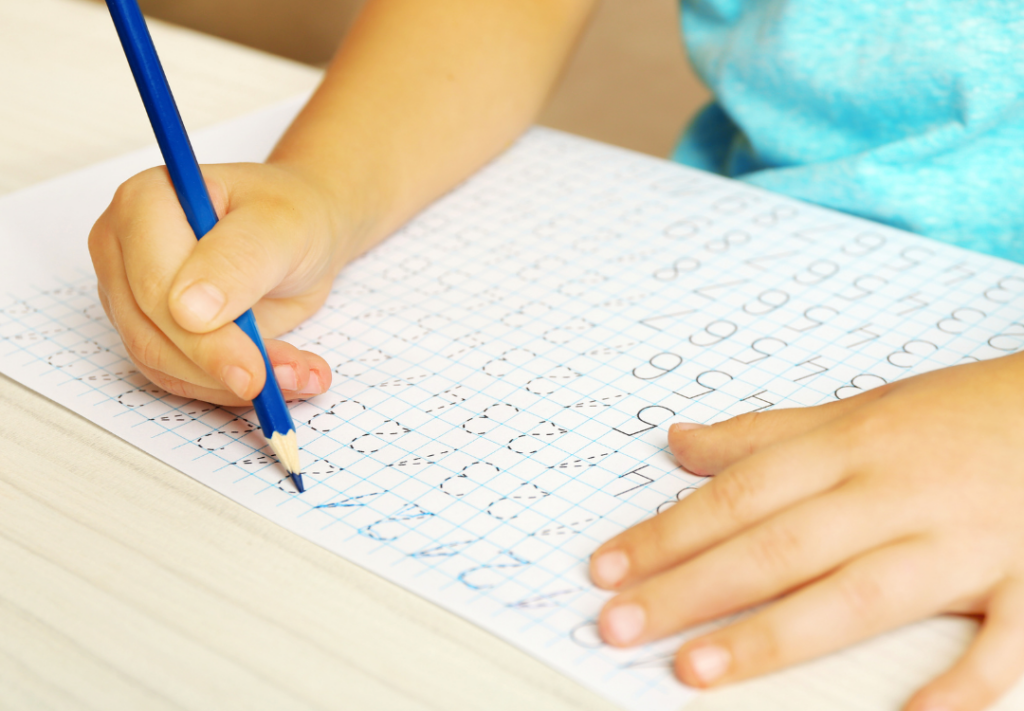
- Description: For beginning writers, practicing letter formation is crucial. Set up letter tracing worksheets or laminated letter cards where students can trace uppercase and lowercase letters.
- Materials: Use a variety of writing utensils like dry erase markers, colored pencils, or even letter stamps. The variety keeps it interesting and offers sensory variety.
- Why It Works: Letter tracing helps students develop their fine motor skills while reinforcing letter shapes. It’s an excellent way for beginner writers to become more comfortable with writing.
These tracing printables are easy to use and require no prep for your kindergarten writing centers! A great tool for giving beginner writers the confidence they need to succeed!
Sight Word Practice with Word Cards:
- Description: Create a set of word cards with high-frequency sight words. Display them at the writing center and encourage students to use them to build simple sentences or write the words multiple times.
- Materials: Sight word cards, pocket charts, or word walls. You can also use index cards to create a personalized set of sight words for each student or group.
- Why It Works: By practicing sight words, students gain confidence in reading and writing. Using them in sentences or copying them helps reinforce their recognition and understanding. It’s a great option for expanding students’ writing abilities.
Creating Simple Sentences with Picture Prompts:
- Description: Place a set of picture prompts (e.g., animals, people, weather) at the center. Ask students to choose a picture and use it to create a sentence. You can even have a sentence starter like “I see a ____” or “The ______ is ____.”
- Materials: Picture cards, sentence starters on chart paper, and a writing utensil. You can also add word cards with common nouns and verbs to help students build their sentences.
- Why It Works: Picture prompts help students with sentence structure and creative thinking. Students can practice writing their own sentences while reinforcing their knowledge of nouns, verbs, and adjectives. This is a great writing center activity to build their sentence structure.
Creative Writing with Storytelling Cards:
- Description: Provide students with a set of storytelling cards that feature various themes (e.g., “Once upon a time,” “In the jungle,” “A magical creature”). Students can choose a card and use it to inspire a short story or drawing with captions.
- Materials: Storytelling cards with themed prompts, writing paper, and colored pencils for illustration.
- Why It Works: This activity sparks creativity and encourages students to think about different forms of writing like stories and personal narratives. It also helps students understand sentence structure and organization.
Sentence Building with Word Bank:
- Description: Set up a word bank in your writing center with themed vocabulary (e.g., animals, holidays, family). Ask students to choose words from the bank and use them to create simple sentences. You can also encourage them to draw pictures to accompany their sentences.
- Materials: Word bank cards, drawing paper, sentence strips, or blank writing sheets.
- Why It Works: Word banks are a great way to build vocabulary and improve sentence structure. By using a visual reference, students have more confidence in constructing simple sentences or even stories.
Writing a Letter or Postcard:
- Description: Transform your writing center into a “card store” where students can write letters or postcards to classmates, family, or even fictional characters. You can provide a variety of themed stationery or even include fun stickers for decorating their letters.
- Materials: Letter paper, postcards, envelopes, stickers, and markers.
- Why It Works: Writing letters is a fantastic way to practice real-world writing. It also encourages students to think about how to structure a message, use punctuation, and develop their writing skills with a purpose.
Writing Themed Vocabulary Cards:
- Description: Choose a theme or unit you’re working on (e.g., seasons, community helpers, shapes) and create a set of themed vocabulary cards. Have students choose several cards and use them to write a sentence or short paragraph related to that theme.
- Materials: Themed vocabulary cards, sentence strips, and writing paper.
- Why It Works: This activity ties into what students are learning in other subjects, reinforcing both their writing abilities and content knowledge. Whether it’s about social studies, animals, or even Valentine’s Day, this is a great way to combine learning across subjects.
Free Writing:
- Description: Sometimes the best way for students to build writing confidence is by giving them the freedom to write about whatever they want. Provide a small table with blank white paper and encourage students to write or draw freely. They can tell a story, make a list, or even write a letter.
- Materials: Blank paper, writing utensils, colored pencils, and stamps for decoration.
- Why It Works: Free writing allows students to explore their thoughts without the pressure of specific prompts. It helps build their creative writing abilities while reinforcing fine motor skills. Plus, they’ll have a lot of fun while practicing writing!
Graphic Organizer Writing:
- Description: Use graphic organizers to help students organize their thoughts before writing. For example, you can use a story map where they can list the setting, characters, and events, or a word web for brainstorming ideas for a story or topic.
- Materials: Graphic organizers (e.g., story maps, Venn diagrams), writing paper, and colored markers.
- Why It Works: Graphic organizers help students organize their ideas before they start writing. This is a great activity to support struggling writers or English language learners, as it provides a visual tool to build confidence and clarity.
Word Cards for Sentence Building:
- Description: Provide a variety of word cards with simple words (e.g., nouns, verbs, adjectives) and ask students to arrange them into a sentence. For a fun twist, you can also add picture cards to help with word choices.
- Materials: Word cards, picture cards, sentence strips, and dry-erase markers.
- Why It Works: This activity helps reinforce the basics of sentence structure. By physically arranging the cards, students can better understand word order and how sentences come together. Plus, it gives them a great way to practice vocabulary writing.
With these engaging activities, your writing center will be buzzing with excitement and learning! Whether your students are practicing sight words, building simple sentences, or writing their own stories, there’s something for everyone to enjoy.
Here’s the Gist
Writing centers are a fun and engaging way for your kindergarten students to practice their writing skills. With a dedicated space, a mix of writing utensils, and a variety of writing activities, your little learners can explore writing at their own pace and build confidence.
To keep your writing center organized and engaging, make sure to have clear instructions, ample space, and activities that offer student choice. This will help keep students on task and excited about learning.
Make sure to mix in fun activities like writing letters or using picture prompts to spark their creativity. Whether it’s practicing letter formation, sight words, or making simple sentences, writing centers give students a chance to grow and explore as young writers.
Need more guidance on supporting your students’ writing development? Don’t miss my blog post on A Simplified Guide to Kindergarten Writing Skills. It’s packed with helpful information for teachers!
